
Non-Woven Tote Bag Load Testing: GSM, Handles and Seams
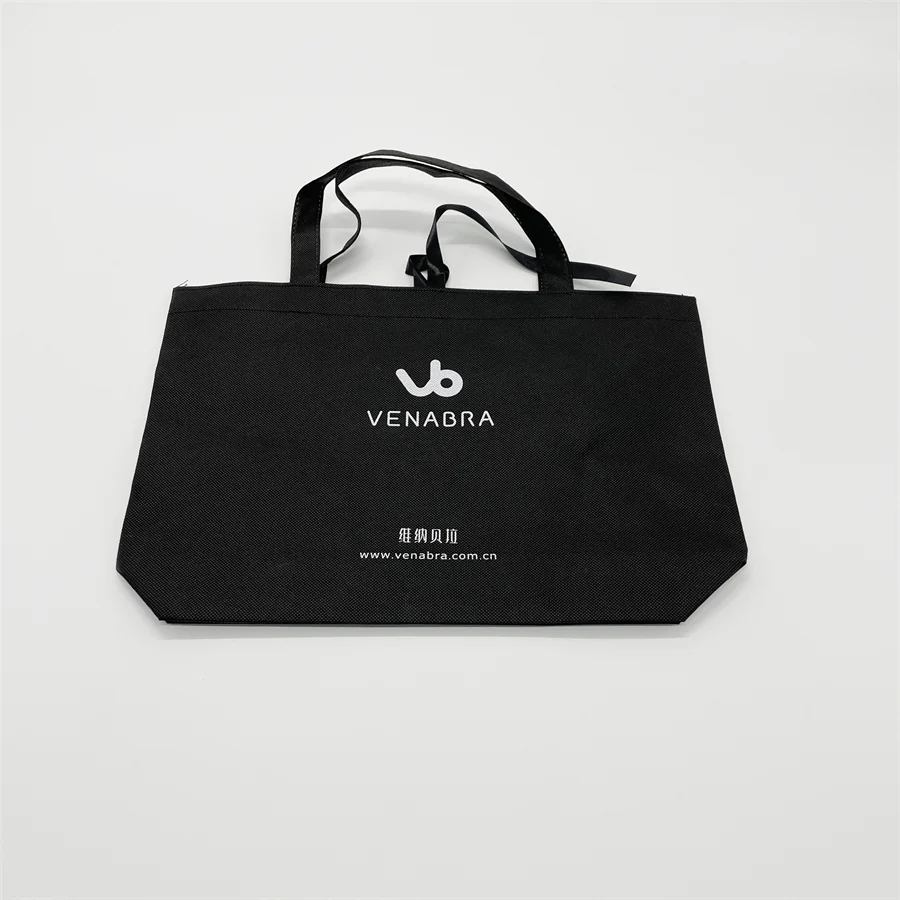
Quick answer: Specify a non-woven tote bag by the intended contents, fabric construction, handle attachment, seams and an agreed finished-bag load test. GSM measures fabric mass per area; it is not a kilogram capacity rating. Validate the complete bag using representative contents and the intended carrying pattern.
A bag made from heavier fabric can still fail where a handle joins the body. A roomy bag can also invite customers to carry a different load from the one used in a supplier’s demonstration. Define the intended use before selecting a fabric weight or printing a carrying claim.
What does GSM tell a tote buyer?
GSM means grams per square meter. ISO 9073-1:2023 specifies a method for determining nonwoven fabric mass per unit area. That measurement characterizes fabric; it does not rate the carrying capacity of a finished shopping bag.
Ask whether a quoted weight refers to the base nonwoven, a laminated composite, or another defined construction. Handles, reinforcement patches and body panels may use different materials. Do not compare a base-fabric figure with a complete laminated structure as though they were the same specification.
For the broader formats and finishes, read our non-woven tote bag overview. This guide focuses on how the finished bag carries its load.
Identify the load path through the bag
The contents load the base and side panels, the body transfers force into the handle attachments, and the handles transfer it to the user. Weakness at any link can matter more than the body fabric’s nominal GSM.
| Component | What to specify | What to examine |
|---|---|---|
| Body panels | Material construction and agreed mass-per-area basis | Tearing, stretching or damage near seams. |
| Handles | Material, width, length and attachment design | Pullout, edge damage and usable grip. |
| Seams or welds | Construction and critical locations on a drawing | Opening, skipped areas or distortion under load. |
| Base and gussets | Dimensions, folds and any reinforcement | Load concentration at corners or folds. |
| Lamination and print | Actual production finish | Cracking, separation or transfer where the bag flexes. |
Review the whole design rather than requiring one particular attachment pattern in every application. Stitching and welded constructions need acceptance criteria suited to the chosen process; neither label establishes a universal strength ranking.
Define the contents, not just the total weight
A collection of soft garments loads a bag differently from rigid boxes with sharp corners. Record the product dimensions, contact points and distribution of mass. Include the maximum intended shopping combination and whether contents can move during use.
State whether customers carry by hand, over the shoulder, or using both handles together. Check whether the opening and handle length make the approved carrying pattern practical. A test using a supporting fixture should not be confused with a trial of the actual user grip.
Agree a finished-bag test plan
- Identify samples. Record bag specification, production lot and sample count.
- Define conditioning. State relevant storage or use conditions before testing.
- Choose the load. Use representative contents or a documented substitute with the same relevant contact behavior.
- Define handling. Specify lift height, hold time, movement and repeat cycles appropriate to the use case.
- Set acceptance rules. Define functional failure and unacceptable damage before running the test.
- Record results. Keep photographs, observations and the location of any failure.
These are elements of a buyer-supplier test plan, not a universal test standard. A laboratory can help select a recognized method where required. Do not invent a load limit by converting GSM into kilograms.
For a reusable design, one static hold does not establish repeated-use performance. Consider the intended number and type of handling cycles, cleaning instructions if any, and the conditions that make the bag unsuitable for further use.
Inspect failures before increasing fabric weight
If the handle pulls out, examine the attachment and reinforcement. If a corner tears, review contact with the contents and the base geometry. If the bag becomes uncomfortable, review grip width and handle length. Increasing body GSM alone may leave the actual problem unchanged.
Separate functional changes from visual changes. If a stronger reinforcement alters the printed surface or folds, review the artwork again. Our barcode printing guide explains why a readable code needs a stable location on the finished pack.
Put the load requirement into the purchase specification
Record dimensions, fabric and handle construction, attachment details, intended contents, test conditions and acceptance criteria. Use the RFQ specification checklist and retain the approved bag using our sample approval process.
A tote handle is a carrying feature, while a retail hang hole supports a different use. See retail hang-hole design before using a punched opening as a display point or assuming it can carry the same load as a handle.
Bowen New Material (Dongguan) Co., Ltd. supplies custom packaging from Dongguan, China. Send your intended contents, bag dimensions and carrying requirements to discuss a suitable construction and what needs to be validated before ordering.
Frequently asked questions
Can GSM be converted into a tote bag load rating?
No. GSM is mass per area, while finished-bag capacity also depends on construction, handles, seams, contents and handling.
Is a heavier fabric always the best upgrade?
No. Identify the failure location first. Handle attachment, seam design or local reinforcement may be the controlling factor.
Does one successful lift prove reusability?
No. Define representative repeated handling and the damage criteria relevant to the intended use.
Should a laminated tote be tested differently?
Include the actual laminated construction and check relevant functional and appearance changes. Do not substitute an unfinished fabric sample for the completed bag.